
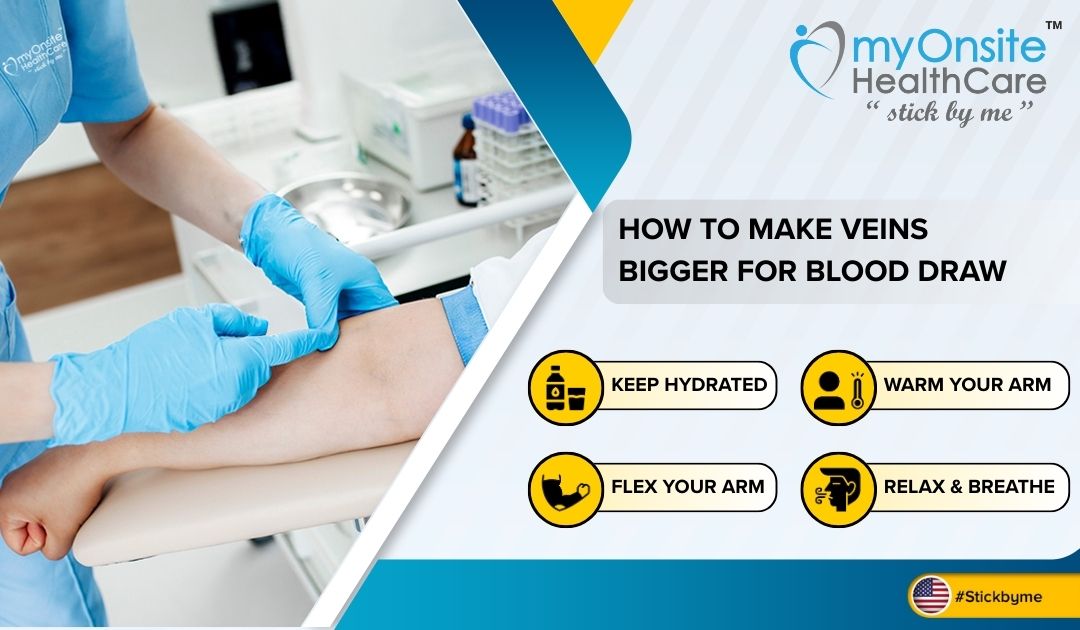
How to Make Veins Bigger Before a Blood Draw: 7 Simple Tips
Ever been told, “Your veins are tricky”? You’re not alone. Some people naturally have smaller or deeper veins, and things like cold weather, stress, or not drinking enough water can make them even harder to find.
Here’s the good news: there are a few simple, safe tricks that can help your veins show up more clearly before a blood draw. These aren’t random internet hacks — they’re real, everyday tips phlebotomists use and recommend.
If you want a broader comfort guide too, check out our full patient-friendly tips here: Tips for an Easier Blood Draw.
Why Your Veins Might Be Hiding
Veins don’t always want to cooperate. Here’s what can make them harder to see:
- Dehydration (top culprit!)
- Cold temperature
- Anxiety or muscle tension
- Low blood pressure
- Long fasting
- Certain meds or health conditions
- Age-related changes (especially in kids or older adults)
If any of that sounds like you, don’t stress. You’re not doing anything wrong — you just might need to help your veins out a bit.
7 Safe Ways to Make Veins Pop
- Drink Water — Lots of It
Hydration is hands-down the best thing you can do.
- Try 2–3 glasses of water in the 2–4 hours before your blood draw
- Sip steadily — no need to chug
- Even if you’re fasting, water is usually allowed (check with your provider)
- Warm Up Your Body
Warmth = better blood flow = plumper veins.
- Take a warm shower before your appointment
- Keep your arms covered if it’s chilly out
- Use a warm towel or heating pad on your arm for 5–10 minutes pre-draw
Even small warmth makes veins relax and expand.
- Let Gravity Help You Out
Letting your arm hang down for a minute or so can make a big difference.
- Sit relaxed, arm hanging loosely by your side for 60–90 seconds
Gravity encourages blood to pool slightly in the arm, making veins rise.
- Gently Move Your Hand
Don’t pump your fist like crazy — that can skew results. Just open and close your hand a few times gently.
- Open and close your hand slowly and gently
- Once the tourniquet is on, try to stay relaxed and still
Small movement helps blood flow without messing with results.
- Breathe Slow and Easy
Tension tightens muscles, which can hide veins.
- Try this: Inhale for 4 seconds, exhale for 6
- Do that 3–4 times and you’ll feel your body relax
Your shoulders relax, the arm loosens up, and veins usually show faster.
- Eat Light (Unless Fasting)
If you don’t have to fast, a light meal can help keep circulation steady.
- Think small and simple: toast, fruit, yogurt, etc.
If you are fasting, no worries — hydration and warmth still do the heavy lifting.
- Speak Up About Past Draws
If you’ve had tough blood draws before, tell your phlebotomist:
- Which arm usually works best
- If you’ve done better with a butterfly needle
- Whether hand or wrist veins were used before
This helps your phlebotomist skip guesswork and go straight to what works.
Want to know what happens during the process? Here’s a simple walkthrough:
How to Perform Venipuncture: Steps, Tips & Safety Essentials
What myOnsite Phlebotomists Do to Help
At myOnsite Healthcare, we see tough veins all the time — especially with older adults, chronically ill patients, oncology patients, and mobility-limited individuals.
Our mobile phlebotomists are trained in advanced vein-access techniques, including:
- Smart tourniquet placement to gently fill veins
- Warm compress use for stubborn veins
- Butterfly needles for smaller or rolling veins
- Alternate vein sites when arm veins refuse to cooperate
Learn more about how our experts handle difficult cases here: Venipuncture Techniques: Mastering the Art of Blood Collection
If you’ve ever dreaded a blood draw because of a bad experience — we get it. Our team is known for a gentle touch, and most patients tell us they’d happily do it again.
Special Situations to Mention First
Always tell your phlebotomist if you have:
- A dialysis fistula
- A history of fainting
- Had lymph nodes removed
- An IV in one arm
- You’re on blood thinners
These don’t stop a blood draw — they just help us choose the safest site.
Quick Patient Checklist
Before your blood draw:
- Drink water
- Stay warm
- Let your arm hang
- Gently move your hand
- Breathe slowly
- Share any tricky vein history
Difficult veins? We handle this every single day.
Our phlebotomists use warm compresses, butterfly needles, and alternate vein sites for every hard-to-draw patient. Book at home — we will find the right vein.
Frequently Asked Questions
How long before a blood draw should I drink water?
+
Can heat really help veins show up?
+
Is pumping my fist okay?
+
What if they still can’t find a vein?
+
Can I eat before my blood draws?
+
Why are my veins harder to find in winter?
+
Does age affect vein visibility?
+
Do mobile phlebotomists handle hard veins?
+
Will I feel pain if they try more than once?
+
Can I request a butterfly needle?
+
Need help with blood work or specimen collection?
Whether you have difficult veins, need routine lab work, or want the convenience of home blood draws, myOnsite Healthcare brings professional mobile phlebotomy to your door.